

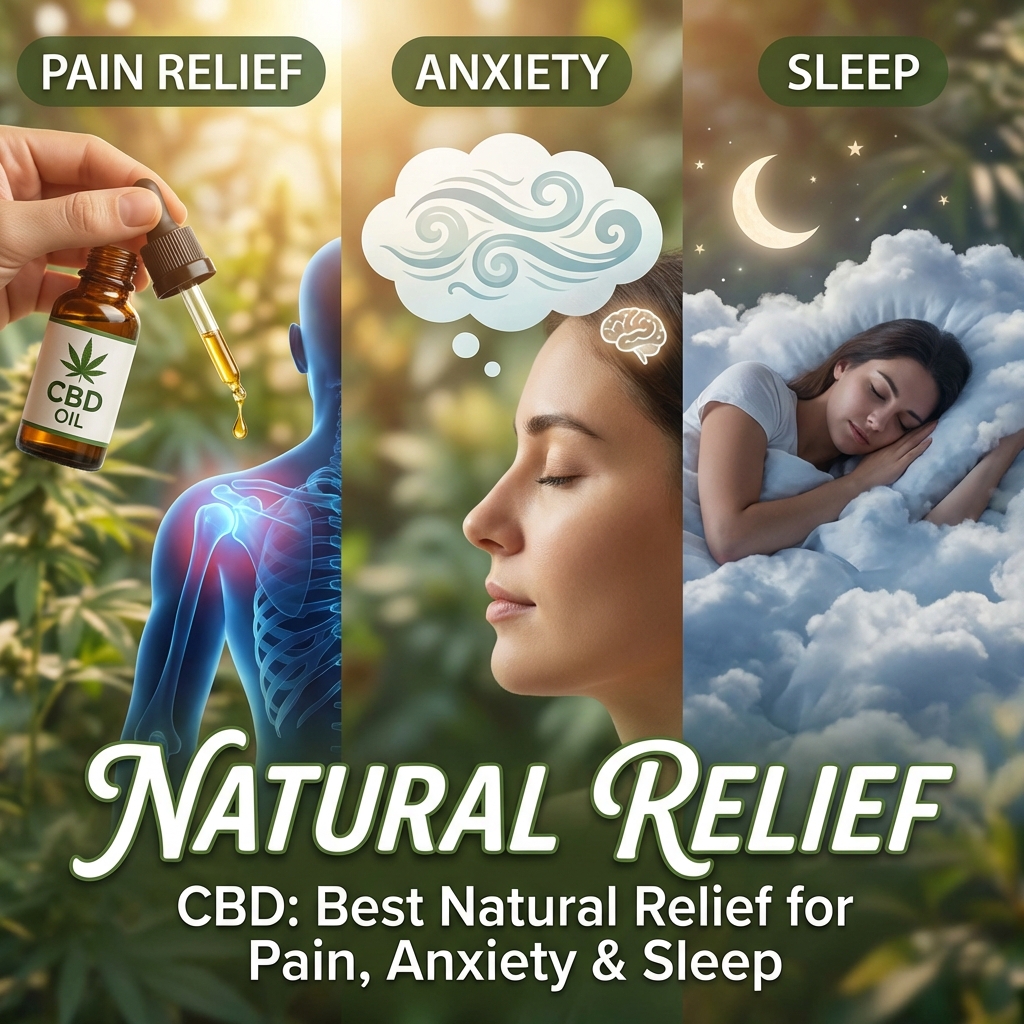
Discovering the Power of CBD for Everyday Wellness
CBD, or cannabidiol, has surged in popularity as a natural remedy promising relief from some of life’s most persistent discomforts: pain, anxiety, and sleep troubles. Derived from the hemp plant, this non-psychoactive compound offers a gentle alternative to traditional pharmaceuticals, appealing to those seeking holistic health solutions. Unlike its cousin THC, CBD won’t get you high, but it may help restore balance to your body’s systems. In this article, we’ll dive into the science, benefits, and practical tips for incorporating CBD into your routine, backed by emerging research and real-world experiences.
What is CBD and Why the Buzz?
At its core, CBD is one of over 100 cannabinoids found in cannabis plants. Hemp-derived CBD contains less than 0.3% THC, making it federally legal in many places and widely available in forms like oils, gummies, capsules, and topicals. The hype stems from its interaction with the endocannabinoid system (ECS), a network of receptors throughout the body that regulates mood, pain, inflammation, and sleep.
Studies, including those from the World Health Organization, highlight CBD’s safety profile and potential therapeutic effects. A 2018 review in Frontiers in Immunology noted its anti-inflammatory properties, while user anecdotes flood online forums with stories of transformed lives. But is it truly the best natural relief? Let’s break it down by condition.
CBD for Chronic Pain Relief
CBD for pain management stands out as one of its most celebrated uses. Chronic pain affects millions, from arthritis flare-ups to neuropathy or post-workout soreness. CBD works by influencing receptors like CB1 and CB2 in the ECS, potentially reducing inflammation and modulating pain signals.
A landmark 2020 study in Pain journal found that 86% of CBD users reported improved pain and sleep after one month. Topical CBD creams, infused with ingredients like menthol, provide targeted relief for joints and muscles—ideal for athletes or those with fibromyalgia. Oral tinctures or edibles offer systemic effects for deeper issues like lower back pain.
Real-world tip: Start with a low dose, around 10-25mg daily, and track symptoms. Combine with lifestyle tweaks like yoga or turmeric for amplified results. While not a cure-all, CBD shines as a natural, non-addictive option compared to opioids.
Tackling Anxiety with CBD
In our high-stress world, anxiety disorders impact over 40 million adults in the U.S. alone. CBD for anxiety has gained traction through clinical trials showing it rivals SSRIs without the side effects. A 2019 study in The Permanente Journal reported that 79% of participants experienced reduced anxiety after a month of CBD use.
CBD interacts with serotonin receptors (5-HT1A), promoting calm without sedation. It’s particularly helpful for social anxiety, PTSD, or generalized worry. Vaping or sublingual drops deliver fast effects—within 15 minutes—while capsules suit all-day support.
Users often describe a subtle “evening out” of emotions, not numbness. A mother I spoke with (anonymized for privacy) shared how 25mg nightly curbed her pandemic-induced panic attacks, allowing her to reclaim family time. Always consult a doctor if you’re on antidepressants, as interactions are possible.
Improving Sleep Quality Naturally
Tossing and turning? Insomnia plagues one in seven adults, often tied to pain or anxiety. CBD for sleep addresses root causes rather than forcing drowsiness like melatonin. Research from Colorado State University in 2021 showed CBD users fell asleep faster and stayed asleep longer.
By dampening overactive thoughts and easing physical tension, CBD fosters restorative rest. A bedtime routine with 25-50mg in tea or gummies, paired with dim lights and no screens, works wonders. Full-spectrum products, containing trace cannabinoids and terpenes, may enhance the “entourage effect” for deeper sleep cycles.
Avoid high-THC strains if sleepwalking or vivid dreams concern you—broad-spectrum or isolate CBD keeps it clean.
The Science Behind CBD’s Benefits
How does CBD deliver across these areas? It modulates the ECS, which fine-tunes homeostasis. Anti-inflammatory compounds like omega fatty acids in hemp amplify this. A 2022 meta-analysis in Journal of Cannabis Research confirmed efficacy for pain, anxiety, and sleep, though larger trials are needed.
Bioavailability matters: Sublingual oils absorb at 13-19%, edibles at 4-20%. Third-party lab-tested products from reputable brands ensure purity—no heavy metals or pesticides.
Practical Guide: Choosing and Using CBD
Select products based on needs:
– Pain: Topicals or high-potency oils.
– Anxiety: Fast-acting tinctures.
– Sleep: Edibles for sustained release.
Dose gradually using the “start low, go slow” rule. Factors like body weight (1-6mg per 10lbs) and tolerance guide adjustments. Store in cool, dark places to preserve potency.
Safety, Side Effects, and Considerations
CBD is well-tolerated, with rare side effects like dry mouth or fatigue. Drug interactions (e.g., with blood thinners) warrant medical advice. Pregnant individuals or those with liver issues should avoid it. Quality control is key—look for COAs (Certificates of Analysis).
Legality varies; U.S. Farm Bill legalized hemp CBD, but states differ. Europe’s regulations are tightening too.
Final Thoughts on Embracing CBD Wellness
From soothing sore muscles to quieting racing minds and inviting sound sleep, CBD emerges as a versatile natural ally. While not a miracle, its low-risk profile and growing evidence make it worth exploring. Pair it with mindfulness, exercise, and nutrition for holistic relief. Consult healthcare pros, source wisely, and listen to your body—you might just find the balance you’ve been seeking.
(Word count: 912)